About APMoA
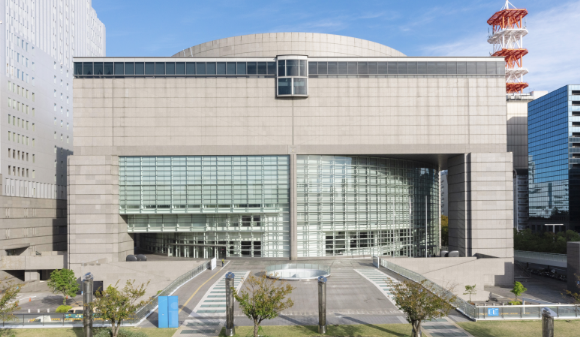
The Aichi Prefectural Museum of Art was founded as the successor of the Aichi Prefectural Art Gallery, which originally opened in Sakae, the Center of Nagoya City, Aichi Prefecture, in 1955. The Museum was established as part of Aichi Arts Center with improved amenities and facilities when the latter opened in 1992. Aichi Arts Center is a cultural complex that includes theaters, a concert hall, and an art library in addition to the museum, and is expected to play a new central role in arts and culture in the region.
Aichi Prefectural Museum of Art has established a wide-range collection of approximately 9,000 items, centered on works off art of the twentieth century. The museum has also organized numerous exhibitions of a wide-range of themes. The museum’s achievements, including its well-equipped conservation environment and active educational programs, have been highly esteemed both domestically and internationally.
1. Temporary Exhibitions
The APMoA presents approximately four temporary exhibitions annually. These are primarily curated by our staff to showcase the results of long-term research. Our program includes major retrospectives of historically significant artists as well as exhibitions that explore emerging art movements. The scope of these exhibitions varies widely, ranging from large-scale international projects to those focused on local artists and regional art history.
2. Collection Exhibitions
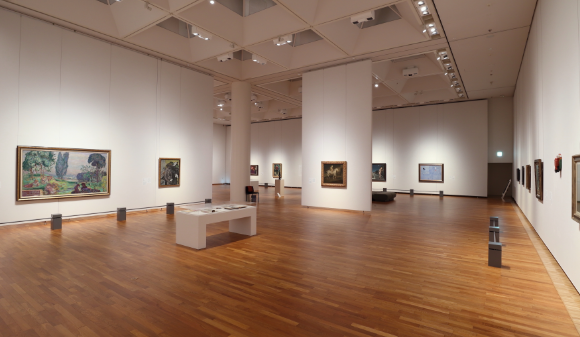
The museum displays selected works from its holdings, including 20th-century and contemporary art, as well as the renowned Kimura Teizo Collection. These exhibitions explore diverse artistic values through various thematic displays.
3. Acquisitions and Conservation of Artworks
The APMoA aims to build its collection under the following principles.
- Outstanding artworks from the twentieth century by both domestic and international artists and artworks that aid understanding of the different art movements of the twentieth century.
- Artworks that reflect the present world.
- Artworks that help to build a unique collection to underline the local character of Aichi.
- Materials that aid understanding of those artworks and artists stated above.
To ensure the long-term preservation of our collection, we maintain the highest standards of conservation. Temperature, humidity, and lighting are strictly controlled. We are also dedicated to continuous improvement of the storage environment by implementing Integrated Pest Management (IPM) and regularly updating our disaster prevention measures, such as earthquake preparedness.
4. Research
The research conducted by our curators and conservators provides the essential foundation for both acquisitions and exhibition planning. The museum shares its findings with the public through exhibitions, detailed catalogs, and museum bulletins.
5. Educational Programs
We offer a wide range of programs designed to deepen the understanding of artists and their works. Our initiatives include guided exhibition tours, specialized viewing sessions for children, and creative workshops. Furthermore, we provide tailored programs for school groups and visitors with visual impairments to ensure an inclusive experience for all.
We organize a "Traveling Museum" series throughout the prefecture. These exhibitions feature works from the collections of both the Aichi Prefectural Museum of Art and the Aichi Prefectural Museum of Ceramic Art, bringing them directly to local communities.
6. Management of the rental gallery
The APMoA manages the rental gallery on the 8th floor of the Aichi Arts Center (AAC). This space serves as a venue for large-scale traveling exhibitions by art organizations and graduation exhibitions for art universities. It also provides local citizens with a platform to share their creative achievements with the public.


 ticket
 membership
 Language